Why Software Updates May Have an Unexpected Effect on Your Phone

Why Software Updates May Have an Unexpected Effect on Your Phone

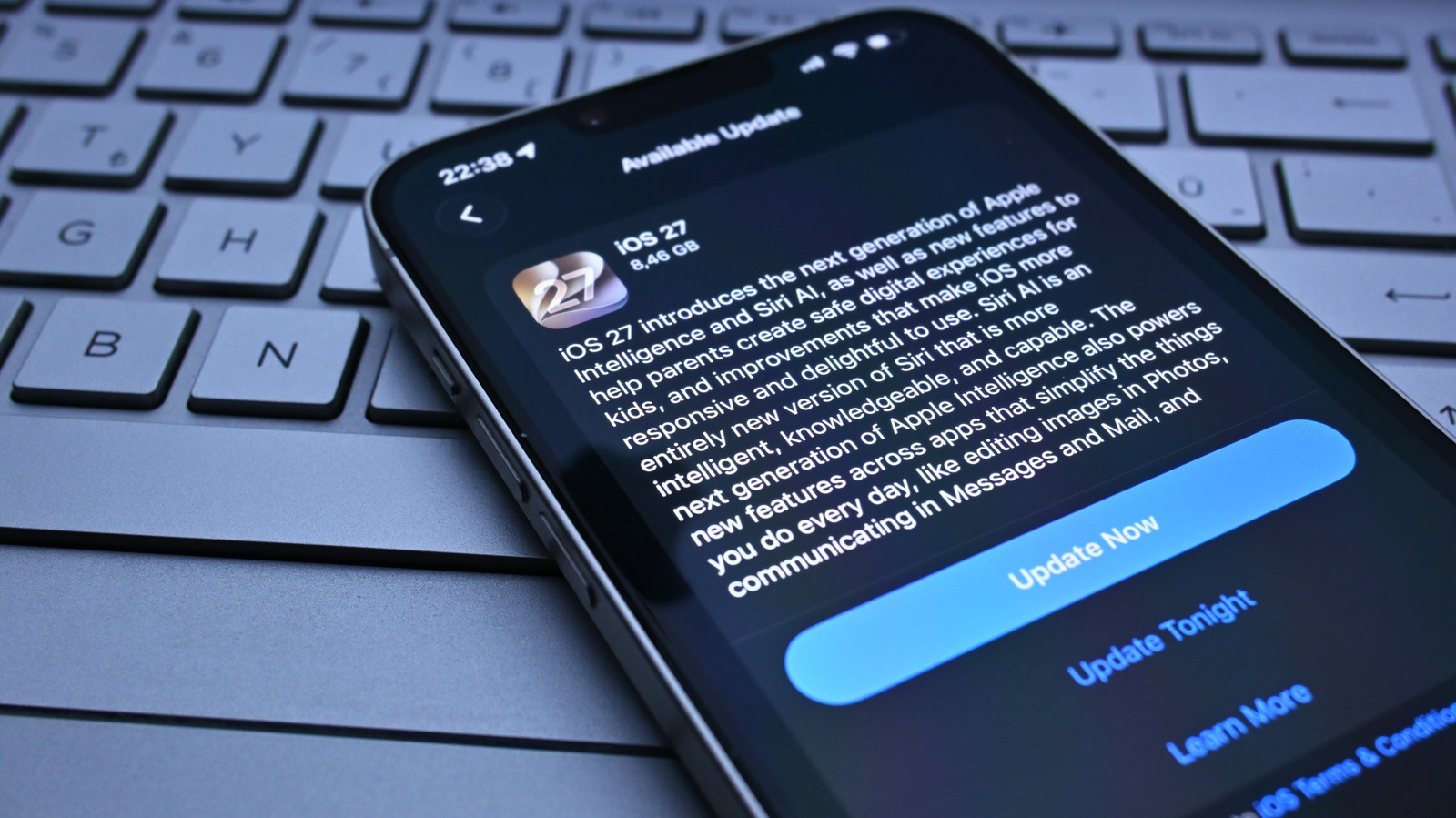
Software updates on your phone might cause unexpected effects that change how your device works. A new report from Engadget highlights why these routine downloads do not always go as planned. Readers are learning that a fresh update can bring surprising changes to their daily mobile experience.

Why Software Updates May Have An Unexpected Effect On Your Phone

Many people install every phone update as soon as it pops up on their screen. They expect better security, new features, and a smoother experience every time. However, code changes can sometimes trigger fresh problems that developers did not catch during testing.

When a phone gets a fresh download, the system must adjust to lots of new lines of code. This heavy change can alter how the battery drains or how fast apps load up. That is why a routine patch can end up changing how your mobile device feels in everyday use.

What unexpectedly changes after a download

An unexpected effect can show up in different parts of your mobile software. You might notice that simple taps take longer or that your screen looks slightly different. Here are key areas where changes often happen after you install a fresh build:

  • Battery life might drop faster than it did before the patch.
  • Apps can crash or open slowly until they get their own fixes.
  • Settings might shift back to standard choices without your input.
  • Storage space can fill up fast due to new temporary system files.

These issues usually happen because old app files clash with the fresh system code. Developers try to catch these bugs early, but millions of people use phones in unique ways. It takes real-world use to reveal where the code fails.

How software updates impact your daily routine

When software changes your phone unexpectedly, it disrupts your whole daily routine. You might miss an important message because an app stopped sending clear notifications. Or your phone might get warm in your pocket while it tries to process background tasks.

These small annoyances add up quickly for everyday users. People rely on their phones for work, maps, and talking to family throughout the day. When a update breaks a feature you use all the time, it causes real frustration fast.

What to do before you install your next update

You can protect your personal data by taking a few simple steps before hitting the install button. Always save your photos and important files to a safe place first. That way, you will not lose anything if the software installation runs into a sudden error.

It can also help to wait a couple of days before downloading a new release. Let other people test the code first and report any big problems online. If a bad bug comes out, the company will quickly ship a tiny extra fix to make things right again.

Comments

Popular posts from this blog

How to Fix Slow WiFi on Your Phone and Computer

Photo from the web Fixing slow WiFi usually takes less than five minutes once you know where the problem lives. You tap a video, watch the little circle spin, and wait while your screen stays blank. It happens right when you need to send an email or join a work call. The quick fix is simple. Turn off your router for thirty seconds, turn it back on, and move your device away from thick walls or metal objects. If that does not work, changing your network band or clearing out old settings will get your speed back. Why Your Home WiFi Is Running Slow Your Internet slows down for a few basic reasons. Most times, your router gets confused after running for weeks without a break. Small errors build up in its memory. A quick reboot clears out that trash and gives your connection a fresh start. Physical objects also block your signal. A heavy concrete wall, a large metal fridge, or even a glass mirror can chop your speed in half. Yesterday, I moved my own router off the floor and put it...

How to Spot a Fake Website Before You Lose Money

Photo: Wikimedia Commons Fake websites look like real online stores, but they exist to steal your credit card details and cash. You type in your payment info, hit buy, and your item never arrives. Spotting a scam site takes less than a minute once you know what to check. The fastest way to spot a fake site is to check the web address for small typos, look for missing contact info, and test the payment checkout screen. Fake sites rush you with fake countdown timers and offer prices that are far too low. If a deal feels wrong, closing the tab saves your bank account. Check the Web Address Very Carefully Scammers buy web names that look almost like the real thing. They swap letters or add extra words to trick your eyes. For example, they might write "paypa1.com" with a number one instead of an "l", or use "target-discounts-online.com" to look official. They hope you glance fast and click without thinking. Look closely at the browser bar at the top of ...

Useful Hidden Phone Features You Should Start Using Today

Photo: Wikimedia Commons Useful hidden phone features are sitting on your device right now, but most people never touch them. You tap the same five apps every day while your phone has secret tools that can save you time. A few quick changes in your settings can completely change how you use your screen. The short answer is simple. Both iPhone and Android come packed with secret shortcuts for taking notes, scanning papers, stopping bad calls, and keeping your screen clean. You do not need to buy any new apps to get these tricks to work. Hidden Features for iPhone Users Your iPhone has a secret button on the back that you probably touch every time you hold it. Apple calls it Back Tap, and it turns the entire back of your phone into a physical switch. You can set it to snap a screenshot, turn on your flashlight, or open your camera instantly. To turn this on, open your Settings app and tap Accessibility . Next, select Touch , scroll down to the bottom, and tap Back Tap . You wil...